
A Quantum Tiger Perspective on Edge AI, Sovereignty, and the New Human Role
Introduction: The Change Already Happened
There is a persistent misconception that the transformation of work by artificial intelligence is a future event. That belief is comforting, and it is wrong. The transformation is not coming. It has already occurred. What remains unresolved is not whether work will change, but whether institutions, enterprises, and nations will adapt quickly enough to the new reality that has emerged.
For most of modern economic history, work followed a stable pattern. Humans defined problems, executed solutions, and evaluated outcomes. Tools improved productivity, but agency remained human. Even during earlier waves of automation, from mechanized factories to enterprise software, machines accelerated labor but did not meaningfully replace human decision making. That balance has now shifted.
Artificial intelligence, particularly large language models and agentic systems, has crossed a threshold where execution is no longer a uniquely human domain. Tasks that once required teams, time, and hierarchical coordination can now be performed autonomously, continuously, and at marginal cost approaching zero. This is not merely automation. It is a structural reassignment of labor across the economy.
At Quantum Tiger, we view this moment not as a technological disruption alone, but as an infrastructural realignment. The location of intelligence, the ownership of execution, and the sovereignty of decision making are now central economic questions. The future of work will not be decided by who builds the largest models, but by who controls where and how intelligence operates.
Rethinking Work as a System, Not a Job Title
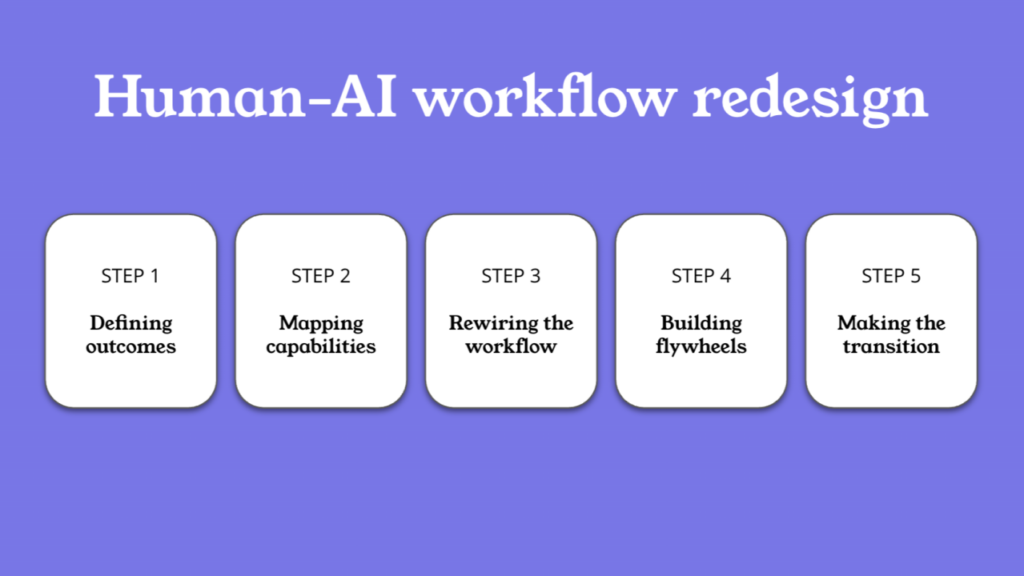
To understand what has changed, it is necessary to abandon job titles as the unit of analysis. Jobs are social constructs. Tasks are operational realities. Every role, regardless of industry, can be decomposed into three fundamental components.
First is problem framing. This includes identifying objectives, constraints, priorities, and context. Second is execution. This is the operational work required to act on the defined problem. Third is evaluation. This includes judgment, accountability, ethical consideration, and refinement.
Historically, humans performed all three. Over the past two decades, software gradually encroached on execution. Today, artificial intelligence has absorbed execution at a speed and scale that no prior technology achieved.
AI systems now write software, generate legal drafts, analyze financial data, design marketing campaigns, diagnose medical images, and optimize logistics. They do so faster, cheaper, and without fatigue. The implication is not that professionals disappear, but that the internal structure of their work changes fundamentally.
Execution becomes abundant. When execution is abundant, it stops being valuable. Value migrates to what remains scarce. Contextual understanding, domain judgment, ethical responsibility, and the ability to define the right problem become the new centers of gravity.
This is the real shift in work. Not unemployment, but reweighting. Not job loss, but task migration. Organizations that fail to recognize this will continue to invest in human execution while competitors leverage AI for leverage and scale.
From Tools to Agents: The Rise of Autonomous Execution
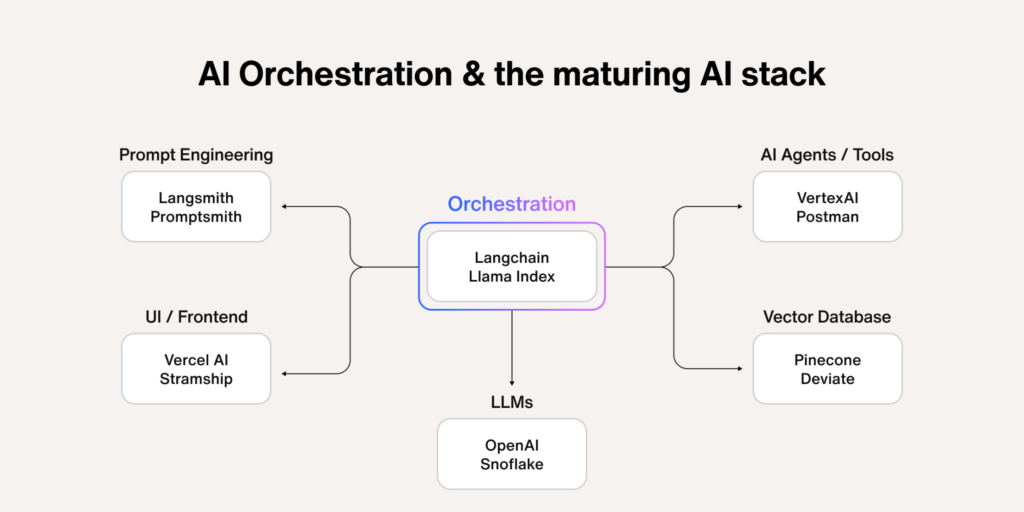
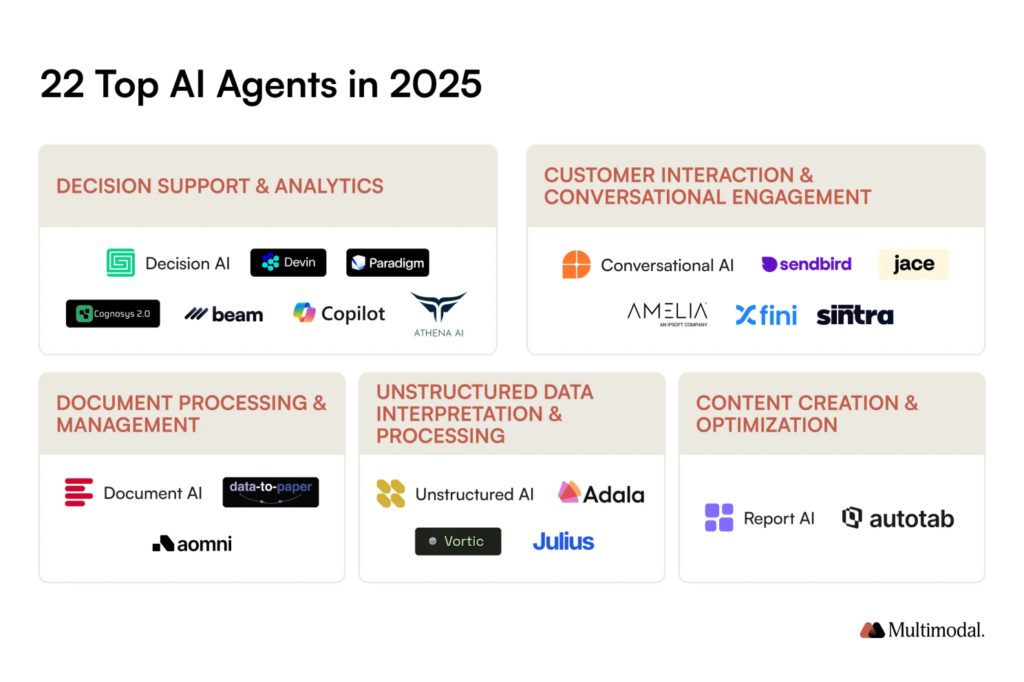
The most consequential development in artificial intelligence is not generative capability alone, but agency. Agentic AI systems are designed not to respond to a single prompt, but to pursue objectives across time, tools, and environments.
An AI agent can receive a goal, break it into sub tasks, execute those tasks across software systems, evaluate intermediate results, and iterate until completion. This collapses entire workflows that once required coordination across teams.
In practical terms, this means that a single human can now supervise what previously required departments. The human role shifts from operator to orchestrator. The organization becomes flatter, not because of ideology, but because coordination costs collapse.
This has profound implications for productivity. It also introduces new risks. Autonomous execution without oversight can propagate errors at scale. The question is not whether AI should be used, but where it should be placed and how it should be governed.
This is where architectural choices matter. Centralized AI systems maximize scale but amplify systemic risk. Distributed AI systems, particularly those operating at the edge, allow execution to occur closer to context, data, and accountability.
Why Inference, Not Training, Defines the Future of Work
Much public discussion focuses on the training of large models. Training is visible, capital intensive, and headline generating. It is also episodic. Inference, by contrast, is continuous. Inference is where work happens.
Inference is the act of using intelligence to make decisions in real time. Every customer interaction, operational adjustment, compliance check, or autonomous action depends on inference. As AI systems become embedded into workflows, inference volume grows exponentially.
This creates a fundamental economic shift. Training rewards scale and capital. Inference rewards efficiency, latency optimization, energy efficiency, and proximity to data. Inference is sensitive to geography, regulation, and sovereignty.
For enterprises, this means that the cost of work increasingly depends on how inference is deployed. Centralized inference in hyperscale clouds introduces latency, regulatory exposure, and cost volatility. Distributed inference at the edge enables real time decision making, predictable cost structures, and compliance by design.
At Quantum Tiger, we see inference as the operational layer of the future economy. Where inference runs determines who controls execution. That is why edge AI is not an optimization. It is a strategic necessity.
4. The Geography of Intelligence and the Question of Sovereignty
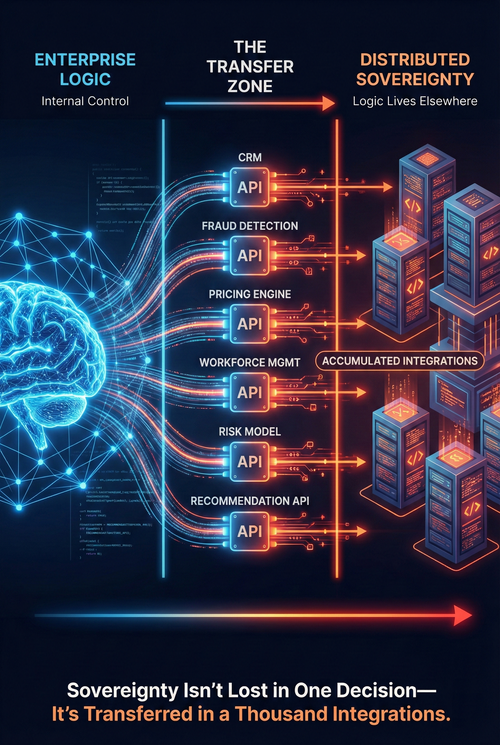
As AI becomes embedded into critical workflows, the location of intelligence becomes a geopolitical issue. Data sovereignty, regulatory compliance, and national resilience all depend on where AI systems operate.
Centralized AI models trained and hosted outside national borders create dependencies that extend beyond technology. They introduce legal ambiguity, operational risk, and strategic vulnerability. This is not theoretical. It is already visible in sectors such as finance, healthcare, defense, and public infrastructure.
Sovereign AI does not imply isolation or technological nationalism. It implies control. It means that nations and enterprises retain authority over how intelligence is deployed, how data is processed, and how decisions are made.
Edge AI enables this by design. By deploying inference locally, organizations can comply with jurisdictional requirements while maintaining performance. Sensitive data does not need to leave the environment in which it is generated. Decision loops remain local. Accountability remains traceable.
In the future of work, sovereignty will not be defined by who owns factories, but by who controls decision making infrastructure.
The New Human Role: Judgment, Ethics, and Accountability
As execution becomes automated, the human role does not disappear. It clarifies. Humans become responsible for defining objectives, setting constraints, and evaluating outcomes. This is not a demotion. It is a shift toward higher leverage responsibility.
Judgment cannot be outsourced without consequence. Ethical reasoning, contextual understanding, and moral accountability remain human obligations. AI systems can recommend. They cannot be responsible.
This creates a new category of work that is poorly captured by existing job descriptions. Humans become stewards of systems rather than performers of tasks. The value of experience increases, not decreases, because experience informs judgment.
Education systems must adapt accordingly. Training for execution alone is insufficient. Workers must be equipped to understand systems, interrogate outputs, and make decisions under uncertainty. This is not about learning to code. It is about learning to think alongside machines.
Productivity, Inequality, and the Fork in the Road
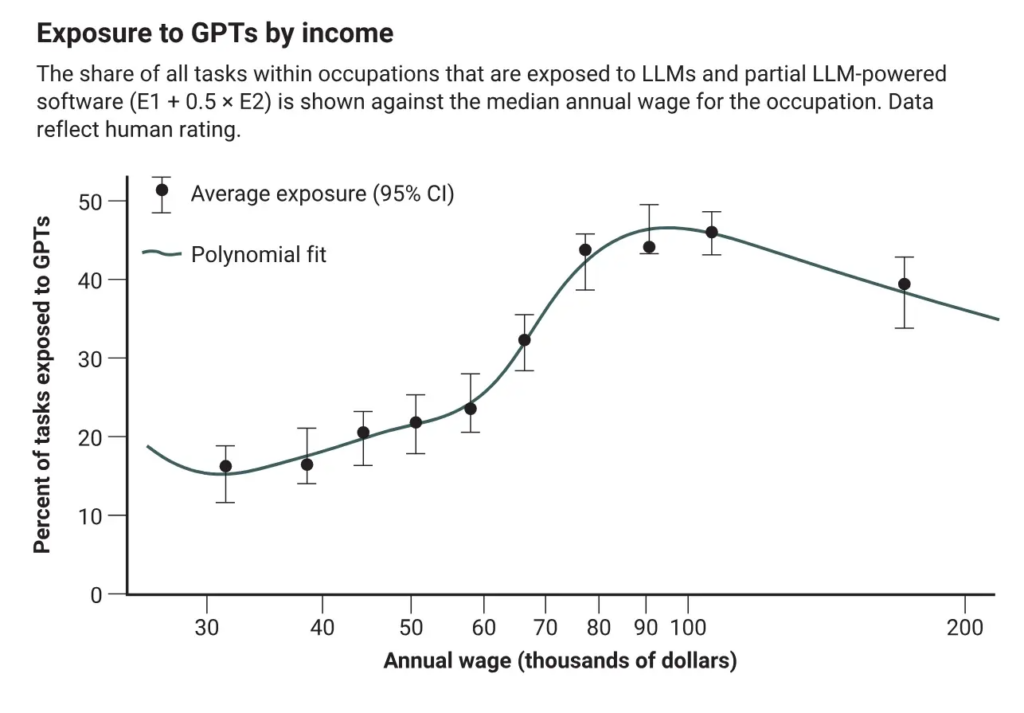
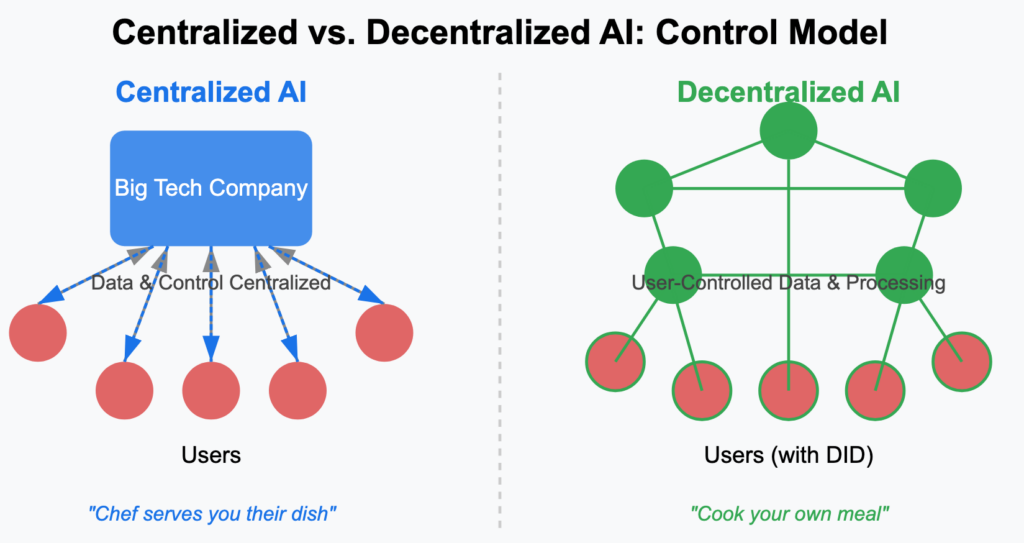
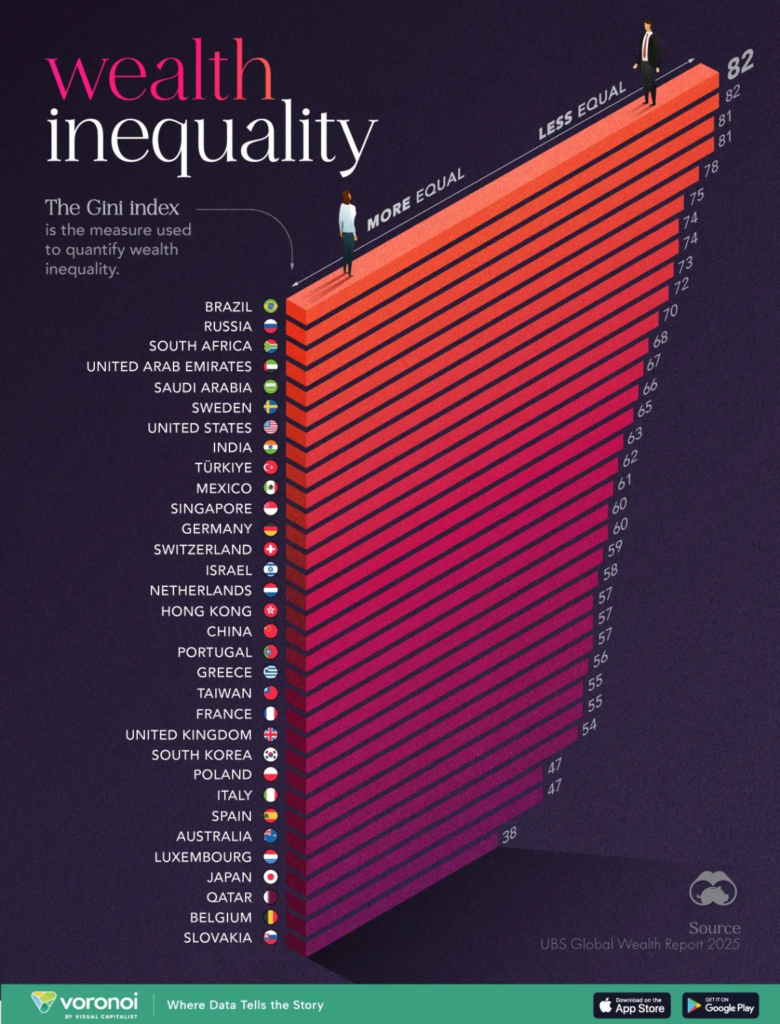
AI has the potential to generate extraordinary productivity gains. Whether those gains are broadly distributed or narrowly concentrated depends on architectural and policy choices.
Centralized AI platforms tend to concentrate power. They benefit from data gravity, network effects, and lock in. Distributed AI architectures enable participation. They lower barriers to entry and allow smaller organizations to compete.
Edge AI is inherently more democratizing. It allows small teams, regional enterprises, and public institutions to deploy intelligence without surrendering control. This matters not only for fairness, but for resilience. Economies that rely on a narrow set of centralized intelligence providers are fragile.
The future of work will amplify existing inequalities if left unmanaged. It can also reduce them if intelligence is treated as infrastructure rather than as a proprietary advantage.
The Transition Timeline: From Automation to Judgment
The transformation of work is not instantaneous. It unfolds in phases.
The first phase, already underway, is automation augmentation. AI assists humans in executing tasks faster. The second phase is agentic execution, where AI systems perform tasks autonomously under human supervision. The third phase is judgment centric work, where humans primarily define goals, evaluate outcomes, and manage systems.
Edge AI accelerates the transition by making agentic systems viable outside centralized environments. It allows organizations to adopt autonomy without surrendering control.
This timeline matters because it informs investment, policy, and workforce planning. Organizations that wait for clarity will fall behind those that experiment responsibly.
Work Will Remain Human, If Intelligence Remains Accountable
The narrative that AI will eliminate work misunderstands the nature of economic value. Work is not defined by effort. It is defined by responsibility. As long as societies require judgment, ethics, and accountability, humans will remain central.
What changes is how work is structured, where execution happens, and who controls intelligence. The future belongs to architectures that amplify human judgment rather than replace it.
At Quantum Tiger, we believe the future of work runs at the edge. It runs close to context, close to accountability, and close to the people affected by decisions. Sovereign AI and edge intelligence are not constraints on innovation. They are the foundations of sustainable progress.
The transformation has already begun. The question is not whether to participate, but how deliberately and responsibly it will be shaped.